Are Cardigans and Pembrokes the same breed?
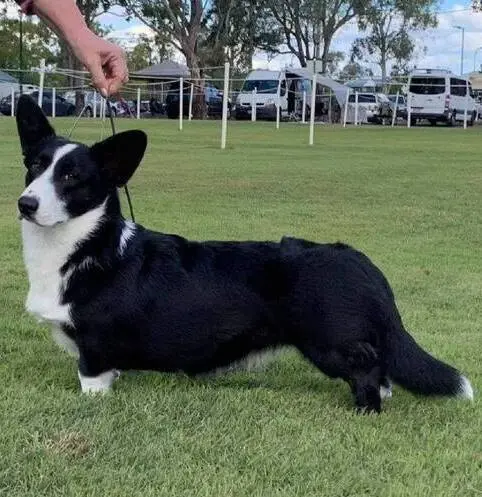
These 2 breeds are indeed different breeds. Besides the tail – Cardigans have a long, foxlike tail whereas Pembrokes can have a naturally occurring bob tail or the classic long tail – Cardigans are slightly larger with heavier bone. Male Cardigans weigh up to 14kg. The basic structure of the two breeds is also different.
They have been known in Wales for more than 3,000 years. The Cardigan Welsh Corgi came to Cardiganshire, Wales, with the Celts from Central Europe in around 1200 B.C. This makes them the older of the two Corgi breeds and also one of the earliest breeds in the British Isles.
In the 1920s, the Kennel Club (England) recognised Corgis as one breed. For a time, Pembrokes and Cardigans were bred together. Then, in 1934, the Kennel Club officially recognised the Pembrokeshire Corgi as a separate breed from the Cardiganshire Corgi.
Find out more here about the differences between the two breeds.
I’m not in Sydney, Australia. Can I still buy a Corgi from you?
Definitely. Many customers have purchased from interstate and even overseas. We can help with reputable pet transport services to safely deliver your new puppy to your home, wherever you may be.
What do I need to know about Welsh Cardigan Corgis?
Cardis, as they are affectionately known, are trainable, faithful, and vigilant guardians with a “big dog” bark. Well-socialised Cardis are especially fond of kids and agreeable with other pets. These athletic, rugged herders have a love for the outdoors, and they thrive on mental stimulation and physical activity.
Cardigans are actually dwarf dogs. Corgis have a genetic mutation called achondroplasia, a form of dwarfism, so they are essentially a big dog with little legs.
Are Welsh Cardigan Corgis good dogs for new owners?
Corgis can make great first-time dogs due to their affectionate nature, intelligence and small size. They are happy in most environments and often get on well with children.
At what age should a Welsh Cardigan Corgi start to settle down?
Some Corgi pups mature as they get older, and some begin to calm in adulthood at around 1–2 years of age. Temperament depends on more than age though — training, activity levels and stimulation all play a big role too.
What colours do Welsh Cardigan Corgis come in?
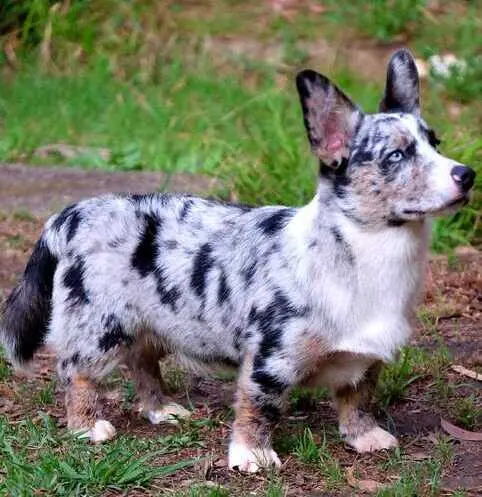
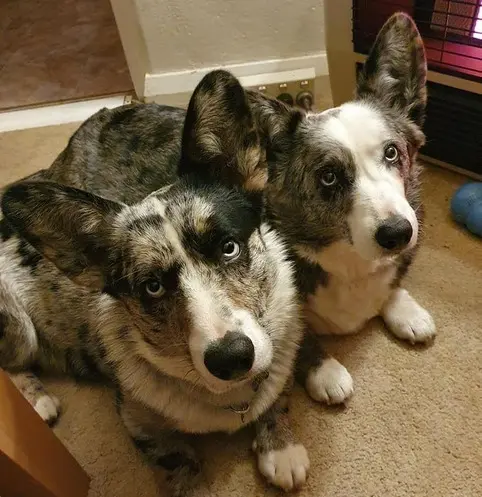
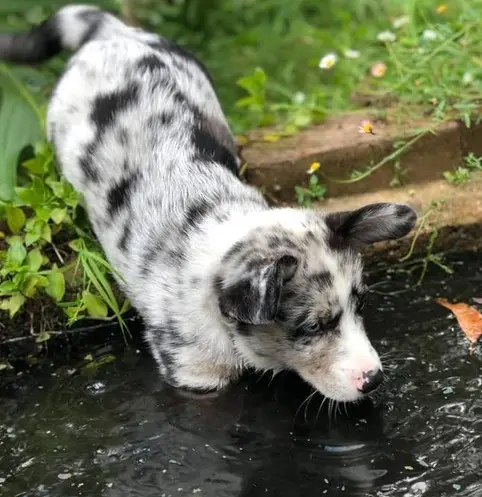
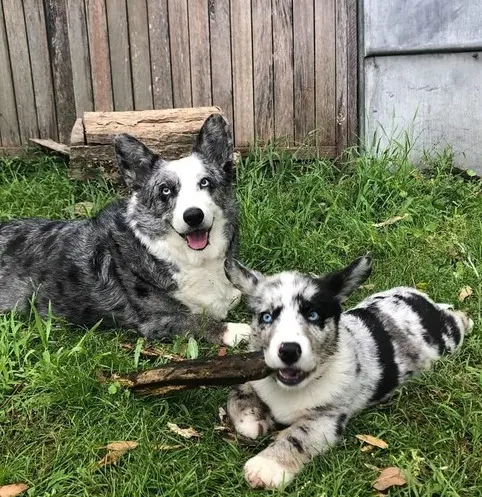
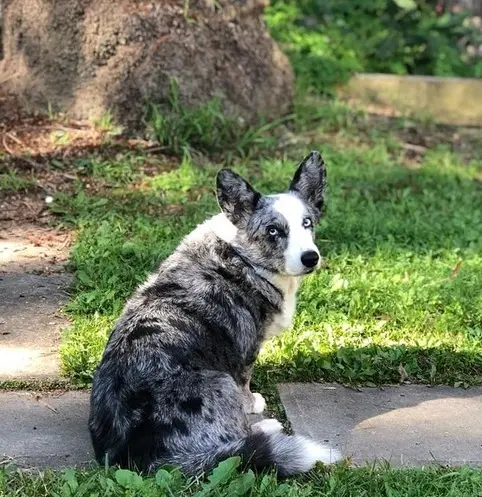
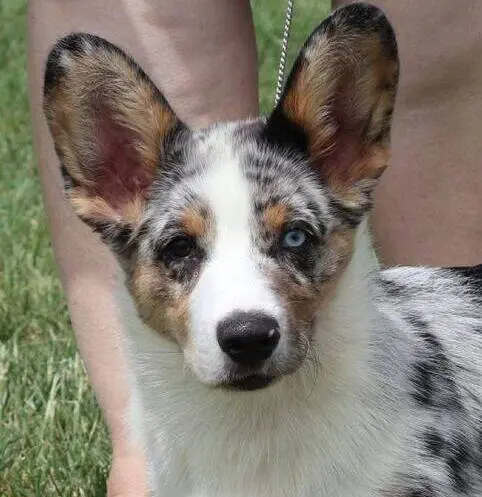
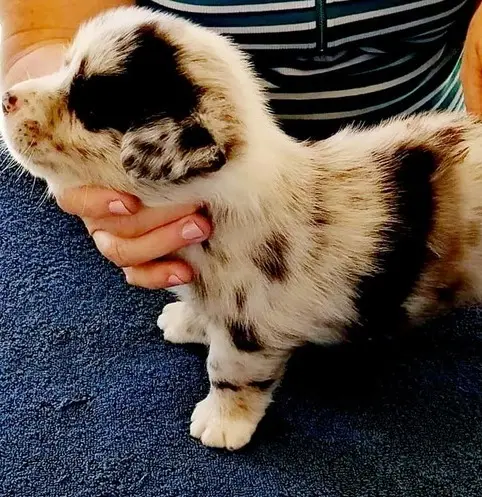
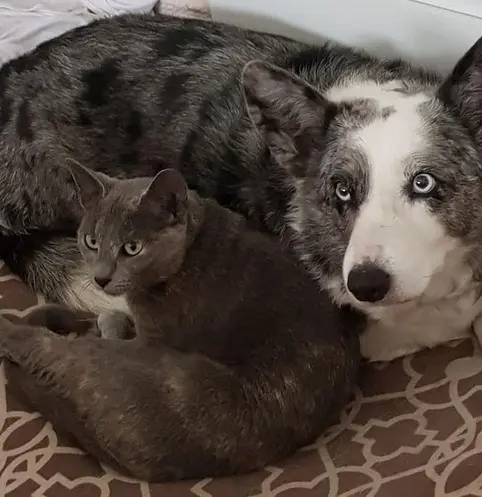
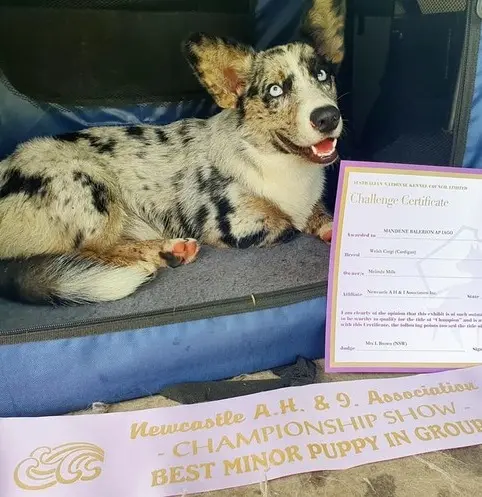
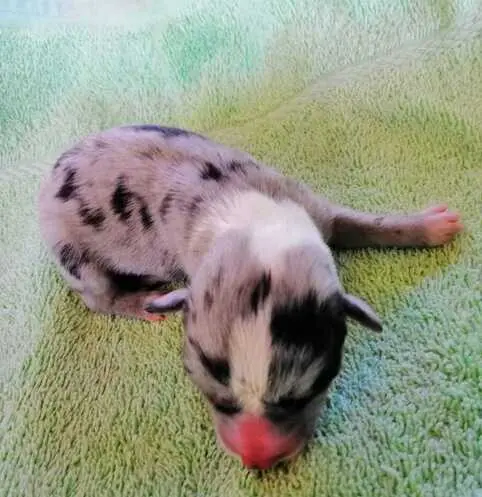
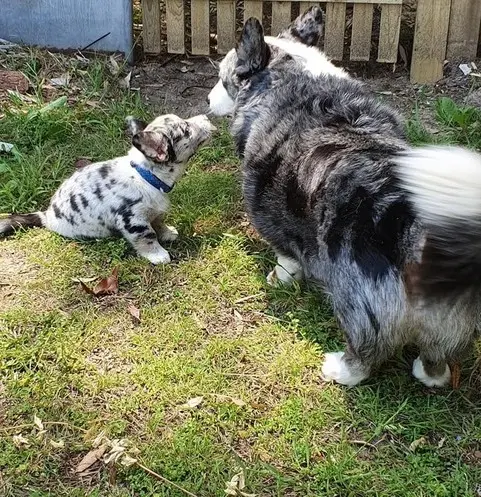
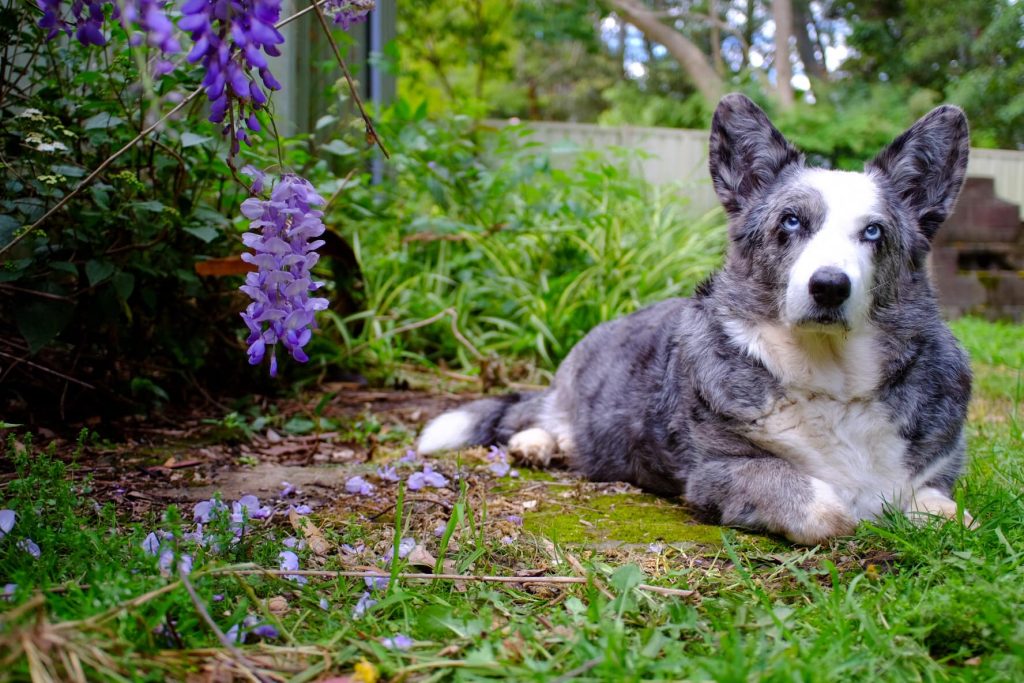
The double coat comes in an array of beautiful colours and shadings, including red, tri-brindle, tri-tan, brindle of various shadings, sable and blue merle. White markings on the chest, legs, tail tip and sometimes a collar add to their beauty.
At what age do Welsh Cardigan Corgi ears stand up?
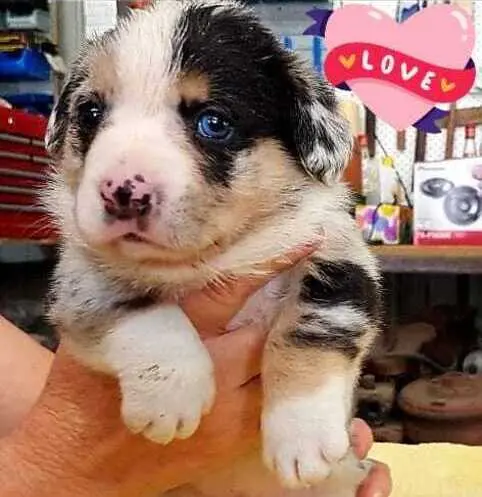
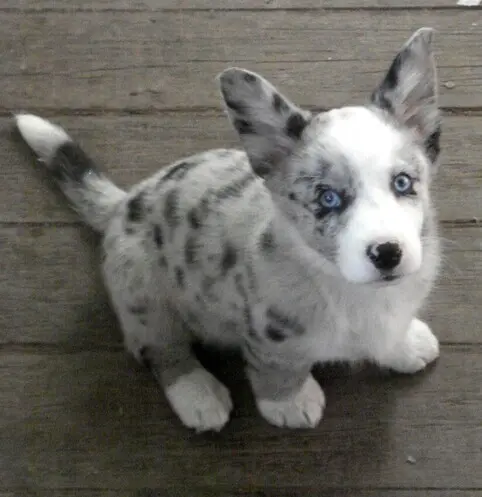
In most cases, a Corgi’s ears will stand up when it’s 2 to 4 months old, give or take. However, a few Corgis will never have ears that stand fully, and some will have one ear that stands and one that flops.
Do Welsh Cardigan Corgis ever stop biting?
Yes. Around 5 or 6 months puppies begin to lose those sharp baby teeth, and many naturally grow out of the biting stage.
What do Cardigan Corgis like to do?
Cardigans may be short in stature but not in energy or ability. They are great companion dogs and love being with their people. As natural herding dogs, Cardigan Welsh Corgis also excel in dog sports, including agility.
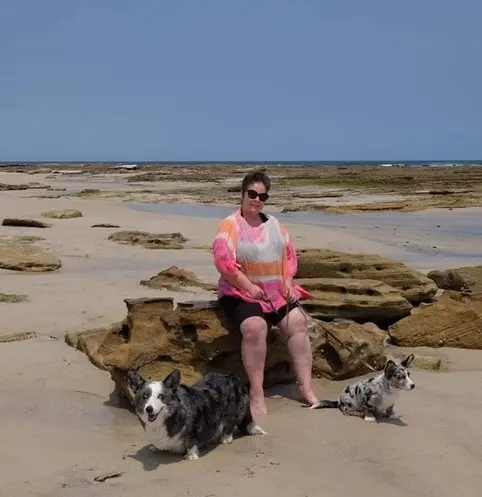
They thrive on socialisation and activities, so regular walks, beach trips, hiking, camping, or even a trip to a dog-friendly café can be wonderful for both mental stimulation and bonding.
And of course, if it’s a quiet night on the couch, your Cardigan is usually very happy with that too.
How often should you bathe a Welsh Cardigan Corgi?
Bathe your Welsh Cardigan Corgi once every 2–3 months, or more often if they get particularly dirty. They also benefit from regular brushing, as the double coat sheds quite a lot.
What are the pros and cons of the Welsh Cardigan Corgi?
Welsh Cardigan Corgis make wonderful pets because of their upbeat personality and devotion to their family. Because of their high energy levels, though, they need regular exercise and mental stimulation. Without it, they can develop unwanted behaviours.
Should I brush my Welsh Cardigan Corgi’s teeth?
Yes. Like us, it is best to brush your dog’s teeth every day if possible. For many dogs, once brushing becomes part of the routine, they begin to accept and even expect it. Brushing a few times per week is the minimum recommendation.
Do Welsh Cardigan Corgis shed?
Yes. Cardigans are heavy shedders thanks to their thick double coat, and they shed all year round, with heavier seasonal shedding twice per year. They are not considered hypoallergenic.
Regular brushing helps keep the coat healthy and reduces loose fur throughout the house. Paw hair should be kept tidy, and nails should be trimmed regularly.
Why does Jeninda DNA test?
In Australia, there are 3 main genetic health tests for Cardigan Welsh Corgis, and it is important for breed health and standards to ensure breeding dogs are clear of these key diseases.
- Degenerative Myelopathy (DM): A disease affecting the spinal cord, resulting in progressive hind limb weakness and paralysis.
- Exercise Induced Collapse (EIC): A disorder characterised by muscle weakness, loss of coordination and possible collapse after exercise.
- Progressive Retinal Atrophy (PRA): A group of degenerative eye diseases that can eventually lead to blindness.
Are Cardigans easy to train?
Yes — especially with positive reinforcement. Cardis are often food motivated, and early training with tasty treats is a great way to begin.
Early and regular socialisation is also very important. We recommend puppy preschool, training classes, and gentle exposure to a wide range of people, places and experiences.
Are there any special considerations I should think about with a Cardigan Corgi?
Yes. Because the Cardigan Welsh Corgi is a long, low-set dog, it is best to avoid excessive jumping and stairs where possible. Ramps can be very helpful around the home, and proper lifting and carrying is important to support their back.