
Puppy Bootcamp!
Bringing a puppy home is an exciting adventure, but it’s also a responsibility. Good training ensures your new puppy grows into a happy, well-adjusted dog.
Here’s why new and prospective puppy owners should take the time to learn the essentials of puppy training and how a few simple techniques can create a balanced and enjoyable environment for everyone.
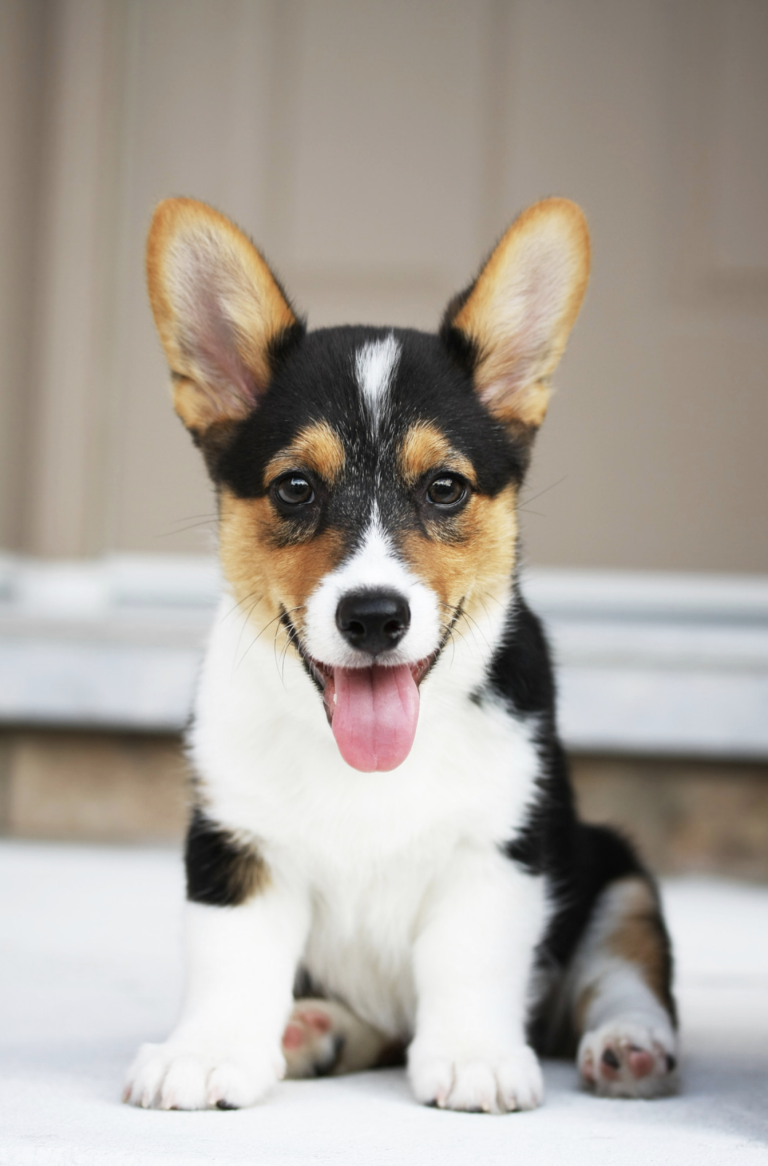
Why Every Puppy Owner Should Learn the Basics of Dog Training
Key Insights for Your New Puppy Journey
Crates Are A Safe Space
Crate training gives puppies a safe, cosy place to rest and helps with house training. Research shows that dogs naturally seek a den-like environment, and crates can satisfy that instinct while also aiding in independence. Start by introducing the crate as a positive space, leaving the door open so they can explore. When used properly, a crate becomes a place of comfort, not confinement.
Building Consistency with Toilet Training
Toilet training requires consistency and patience. Take your puppy out frequently, especially after eating or sleeping, and use positive reinforcement when they go in the right place. A regular feeding schedule can also help regulate their bathroom routine. Early success in this area prevents stress and helps develop a trusting bond between you and your pup.
Socialisation is Key to a Happy Dog
Socialisation during the first few months is critical. Exposing your puppy to different people, animals, environments, and experiences reduces fear and promotes confidence. Puppy classes are an ideal setting, as they provide controlled, safe exposure and allow you to observe your pup’s reactions.
Teaching Good Manners Early
Basic commands like “sit,” “stay,” and “leave it” lay the foundation for good manners and control. Simple commands help your puppy focus and listen to you, which is essential for their safety and the overall harmony of your home. Positive reinforcement, such as treats and praise, is a proven method for encouraging these behaviours.
Help Pups Settle into New Homes
Moving to a new home can be overwhelming for puppies. Give them time to adjust, provide them with familiar toys or blankets, and establish a quiet corner where they can retreat. Gradually introducing the house rules helps them feel secure in their new surroundings.
What About Existing Pets
Introducing your puppy to other pets should be done gradually and calmly. Begin with short, supervised interactions, allowing each animal to sniff and observe from a safe distance. Positive reinforcement and patience are crucial here, helping both new and existing pets feel safe and comfortable.
Puppies and Children
If you have young children, teach them to be gentle and respectful of the new puppy. Puppies can be sensitive to sudden movements and loud noises, so it’s essential to help them build trust. Setting these guidelines early fosters a bond that benefits both the puppy and the children.
Setting Boundaries with Love
Puppies need a calm, confident leader to feel safe. Setting boundaries helps your puppy understand what’s expected, which builds trust and reduces behavioural issues. Training isn’t about being strict; it’s about guiding your puppy lovingly toward good habits and building a strong relationship.
Surviving Your New Puppy
In summary, investing time in puppy training is a valuable step toward a harmonious, happy life with your new friend. With patience, positivity, and a clear understanding of your puppy’s needs, you’ll build a foundation that supports their growth into a well-mannered, confident dog.