
If you have young children in the home, it’s important to help both the puppy and the children learn how to interact safely and respectfully with one another. Puppies are still learning about the world and can sometimes feel unsure around sudden movements, loud voices, or overly enthusiastic play.
Take the time to show children how to approach the puppy calmly and gently. Encourage them to sit quietly while the puppy comes to investigate, and teach them to stroke softly rather than grab or hug. Puppies also need quiet time to rest, so children should understand that when the puppy is sleeping or resting in their bed or crate, they should be left alone.
Supervised interactions are essential in the early weeks. This allows you to guide both the puppy and the children, helping them learn appropriate behaviour and building positive experiences together.
When children and puppies learn to respect each other’s boundaries from the beginning, a strong and trusting bond naturally develops — one that often grows into a lifelong friendship.
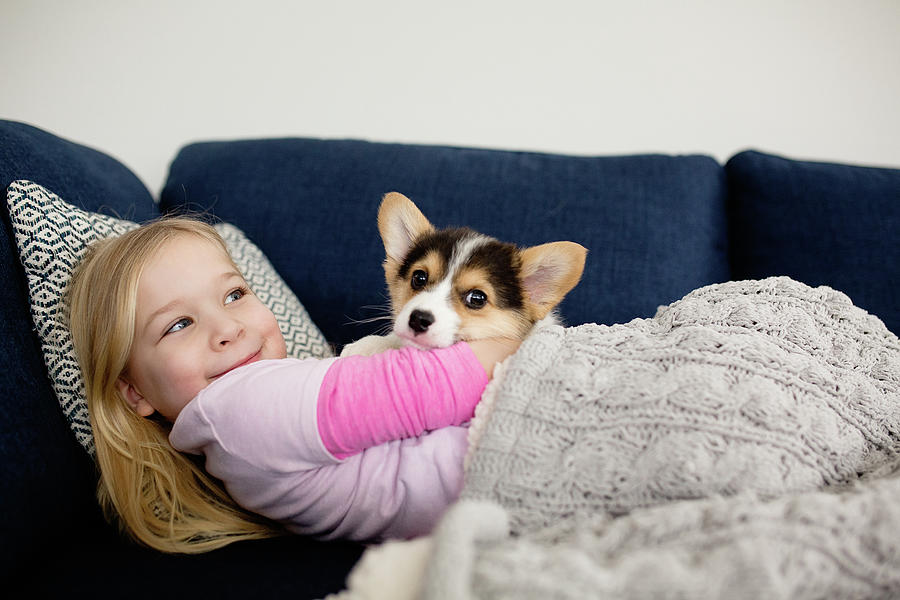
Puppies and Children – A Match Made In Heaven
Puppies and children can form wonderful lifelong friendships, but those early interactions need guidance from the adults in the home. Both puppies and young children are learning about the world, and helping them understand how to behave around each other sets the foundation for a safe and trusting relationship.
With a little patience and supervision, children and puppies quickly learn how to enjoy each other’s company.
Teaching Children to Be Gentle
Young puppies are small, sensitive, and still adjusting to many new experiences. Children should be shown how to approach a puppy calmly and gently, rather than running toward them or picking them up suddenly.
Encourage children to sit quietly and allow the puppy to come to them. Gentle strokes along the puppy’s back or chest are usually much more comfortable for a young dog than enthusiastic hugging or grabbing.
Helping children understand how to interact respectfully builds trust and confidence in the puppy.
Avoid Sudden Movements and Loud Noises
Puppies can be easily startled by loud voices, fast movements, or overly excited play. Teaching children to speak softly and move calmly around the puppy helps prevent fear and anxiety during this early adjustment period.
A calm environment allows the puppy to relax and feel safe in their new home.
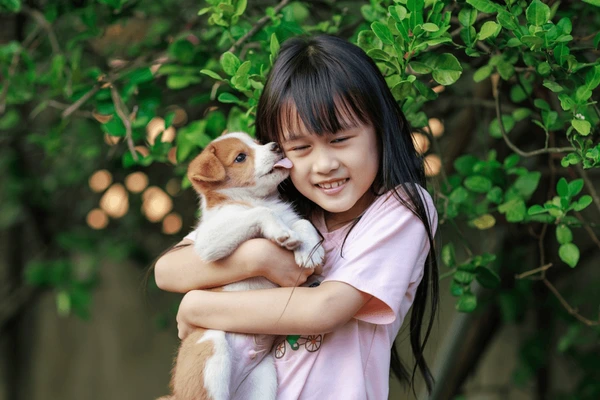
Respect the Puppy’s Rest Time
Puppies need a lot of sleep as they grow — often up to 18–20 hours a day. It’s important that children learn to leave the puppy alone when they are resting in their bed, crate, or quiet corner.
Giving the puppy uninterrupted rest time helps prevent overtired behaviour and allows them to recharge after play.
Always Supervise Early Interactions
Even the most gentle child and the sweetest puppy still need supervision. Puppies explore the world with their mouths, and excited children may forget to be careful.
By supervising early interactions, you can gently guide both the puppy and the children, helping them learn what behaviour is appropriate and rewarding calm, positive moments together.
Building a Lifelong Friendship
When clear guidelines are set from the beginning, puppies and children often develop a bond that becomes one of the most special relationships in a family.
With patience, kindness, and supervision, your Cardigan puppy and your children will grow together — learning from one another and building a friendship that can last for many years.