
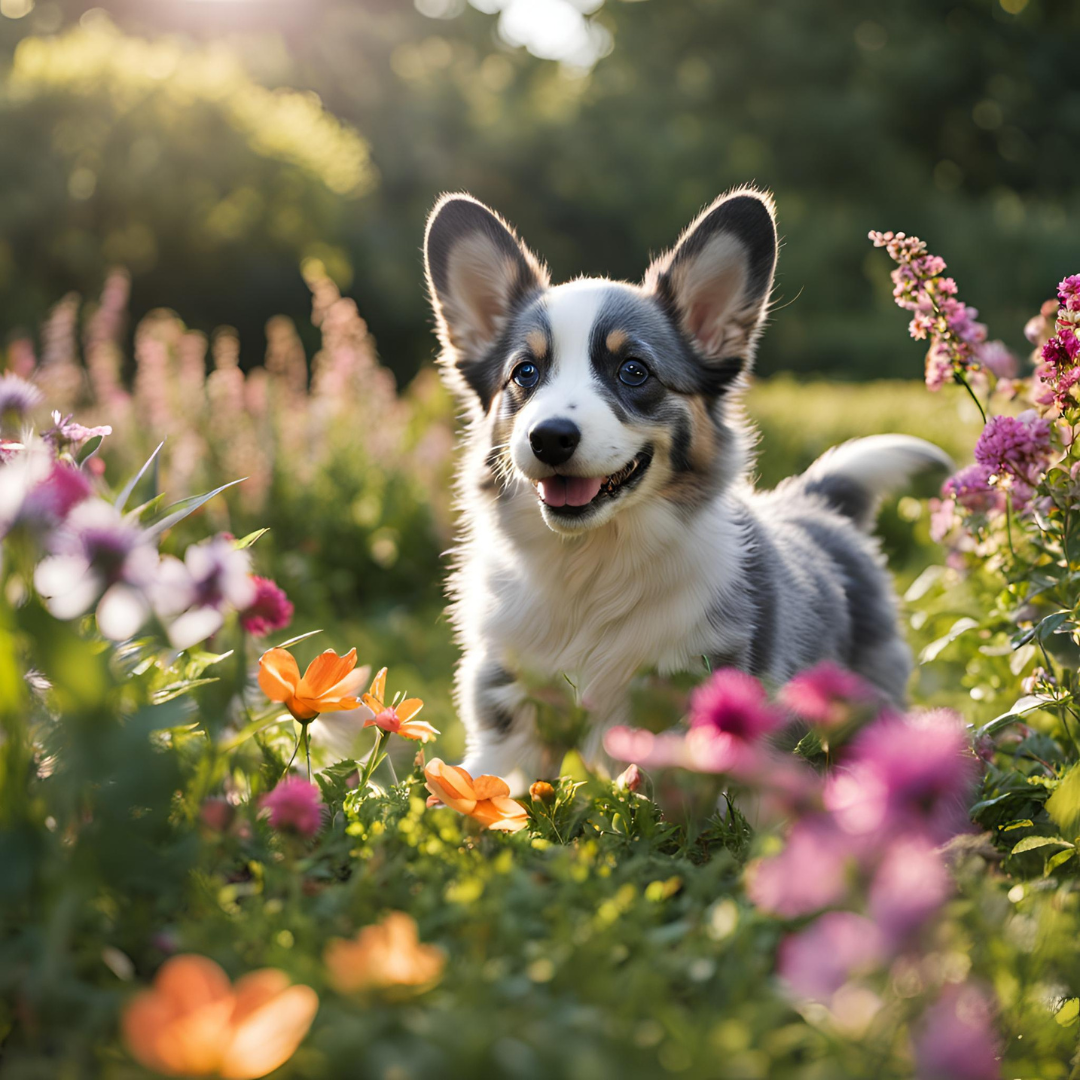
Socialisation: The Key to a Happy, Well-Adjusted Dog

Socialisation is one of the most important things you can do for your dog. A well-socialised puppy grows into a confident, friendly, and adaptable adult dog. Let’s dive into what socialisation means, why it matters, and how to do it effectively.

What is Socialisation?

Socialisation involves exposing your puppy to a wide variety of people, environments, animals, and experiences during their critical learning period—typically between 3 and 14 weeks of age. This exposure teaches them to feel comfortable and secure in different situations, reducing the likelihood of fear or anxiety as they grow older.

But remember, socialisation isn’t about overwhelming your puppy. It’s about gradually and positively introducing them to the world around them so they can learn to navigate it with ease.

Why is Socialisation Important?

A lack of socialisation can lead to fear, aggression, or behavioural issues later in life. Dogs that miss out on early socialisation may struggle with new situations, making everyday activities like going to the park, vet visits, or meeting guests more stressful than they need to be. Socialised dogs are happier, more relaxed, and a joy to be around for both their family and the community.

But remember, socialisation isn’t about overwhelming your puppy. It’s about gradually and positively introducing them to the world around them so they can learn to navigate it with ease.

Step 1: Start Early, But Safely

Puppies are most receptive to socialisation during the first few months of their lives. However, since young puppies haven’t completed their vaccinations, it’s important to balance socialisation with safety.

  • Safe Environments: Introduce your puppy to vaccinated, friendly dogs in controlled settings like a friend’s backyard or a puppy class.

  • Carrying Adventures: Take your puppy to see the sights from your arms if they’re too young to walk in public areas, like parks or pet-friendly stores.

Step 2: Introduce New People

Expose your puppy to people of different ages, appearances, and voices. Babies, toddlers, men, women, and individuals wearing hats or glasses should all be part of your puppy’s experience.
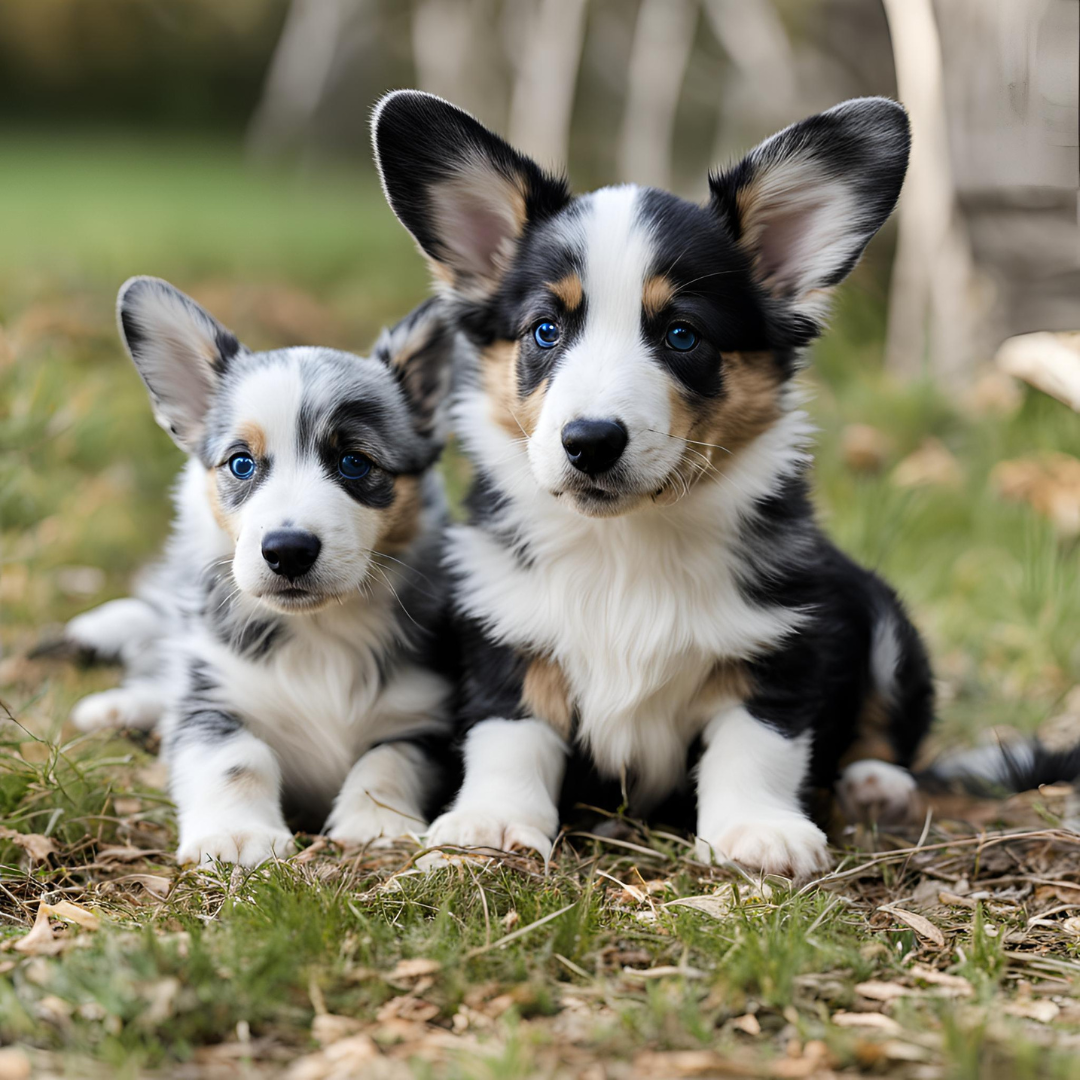
  • Calm Interactions: Encourage people to approach your puppy calmly, letting the pup choose to initiate contact. Avoid overwhelming them with loud voices or sudden movements.
  • Positive Reinforcement: Reward your puppy with treats and praise during and after positive interactions to build a strong association.

  • Step 3: Meet Other Dogs and Animals

    Learning to interact with other animals is essential for your puppy’s development. Focus on controlled and positive introductions.
  • Playdates: Arrange play sessions with friendly, vaccinated dogs that match your puppy’s size and energy level.
  • Calm Observation: Introduce your puppy to other animals like cats, rabbits, or horses from a safe distance, letting them observe without fear or overstimulation.

  • Step 4: Explore New Environments

    Exposing your puppy to various places helps them adapt to different surroundings.

  • Home Experiences: Introduce your puppy to different rooms, household appliances, and everyday sounds like the vacuum or hairdryer.
  • Outdoor Adventures: Gradually expose them to parks, busy streets, car rides, and elevators. Take it slow to ensure they feel comfortable.

  • Step 5: Handle Gently

    Teach your puppy to accept handling by practicing gently touching their paws, ears, and mouth. This prepares them for grooming and vet visits.

    • Short Sessions: Keep handling sessions brief and pair them with treats.

    • Familiar Tools: Let them sniff grooming tools and praise them for calm behaviour.

    How to Build Confidence During Socialisation

    Socialisation is most effective when your puppy feels secure and rewarded for exploring new things.

    • Use Treats: High-value treats create positive associations with new experiences.

    • Stay Calm: Your demeanor sets the tone. If you act relaxed, your puppy will feel reassured.

    • Celebrate Wins: Praise your puppy for bravery, whether they sniff a new object or calmly greet a stranger.

    Socialisation for Older Puppies and Rescue Dogs

    While the critical window for socialisation is during the first few months, it’s never too late to start. Older puppies or rescue dogs can benefit from gradual, positive exposure to new experiences. Be patient and work at their pace.

    The Role of Ongoing Socialisation

    Socialisation isn’t a one-and-done task. It’s an ongoing process throughout your dog’s life. Regular outings, meetups, and new experiences keep your dog adaptable and confident.

    Final Thoughts

    Socialisation is the cornerstone of raising a happy, well-adjusted dog. By taking the time to introduce your puppy to the world in a safe and positive way, you’re setting them up for a lifetime of confidence and joy. Remember, every new experience is a chance to build their trust in you and the world around them. Start today, and watch your puppy blossom into a delightful companion who’s ready for anything life throws their way! 🐾

    Help?

    Read more posts or contact us with any questions

    🐕 The Daily Dawg 🐕 🐕 Contact Us 🐕