
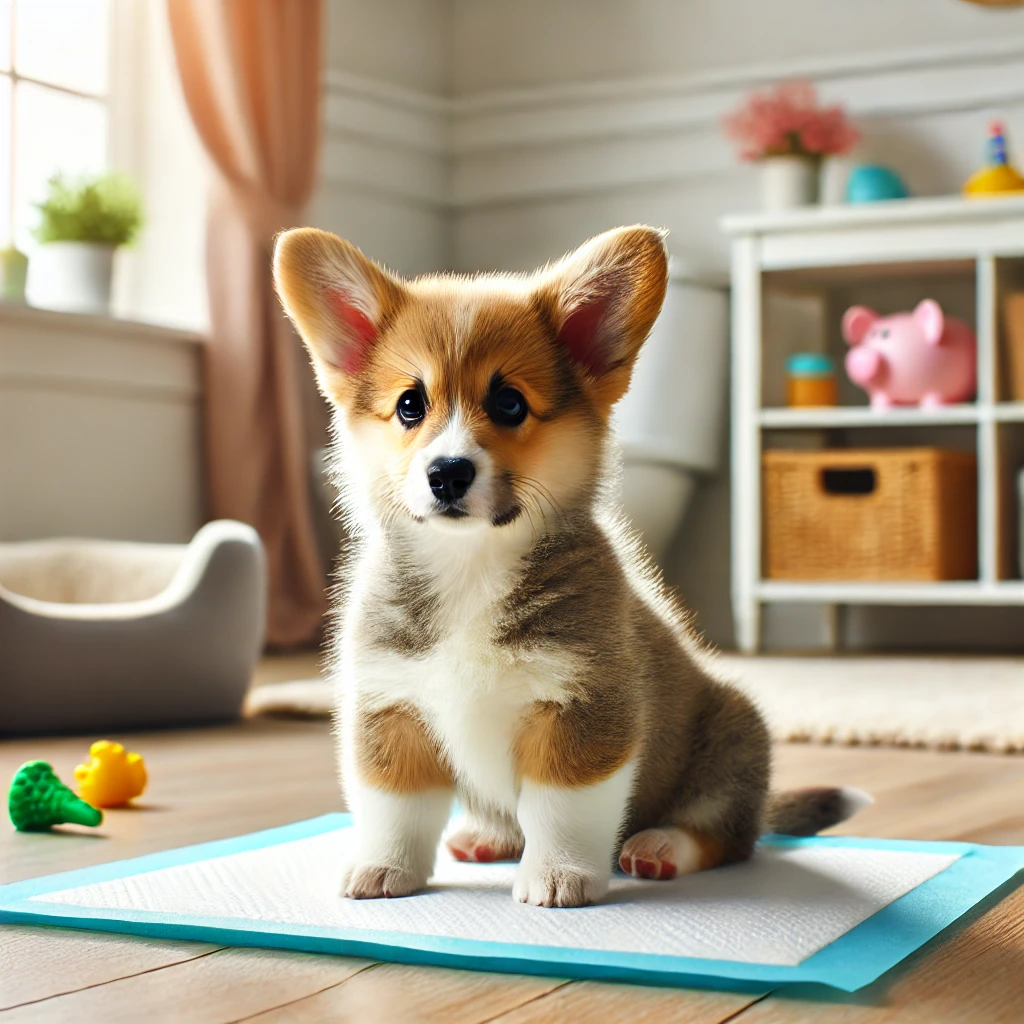
Building Consistency with Toilet Training: Your Step-by-Step Guide for Success

Toilet training is one of the first and most important lessons for any new puppy owner. Done well, it sets a foundation for a clean, happy household and a confident pup. The key? Consistency. With a structured approach, clear expectations, and a lot of patience, your puppy will learn how to do their business in the right place—and even ask to go outside when needed. Let’s walk through this step by step.

Why Consistency Matters in Toilet Training

Puppies thrive on routine. Just like small children, they learn through repetition and positive reinforcement. Being consistent with your timing, cues, and rewards will help your puppy connect the dots faster: “If I pee outside, I get a treat and praise!”

When routines are clear, accidents are reduced, and both you and your pup feel less frustrated.

Step 1: Create a Reliable Routine

Puppies have tiny bladders and limited control, so frequent toilet breaks are essential—especially when they’re very young (8–12 weeks). To build consistency, take your puppy to the same “toilet spot” outdoors at predictable times throughout the day:

  • First thing in the morning
  • After eating or drinking
  • After waking up from a nap
  • After playtime
  • Last thing before bed

  • A good rule of thumb is to take them out every 30–60 minutes in the beginning. Puppies can typically “hold it” for about one hour per month of age, but don’t rely on that—regular opportunities to go outside are crucial.
    Step 2: Use Clear Cues and Rewards

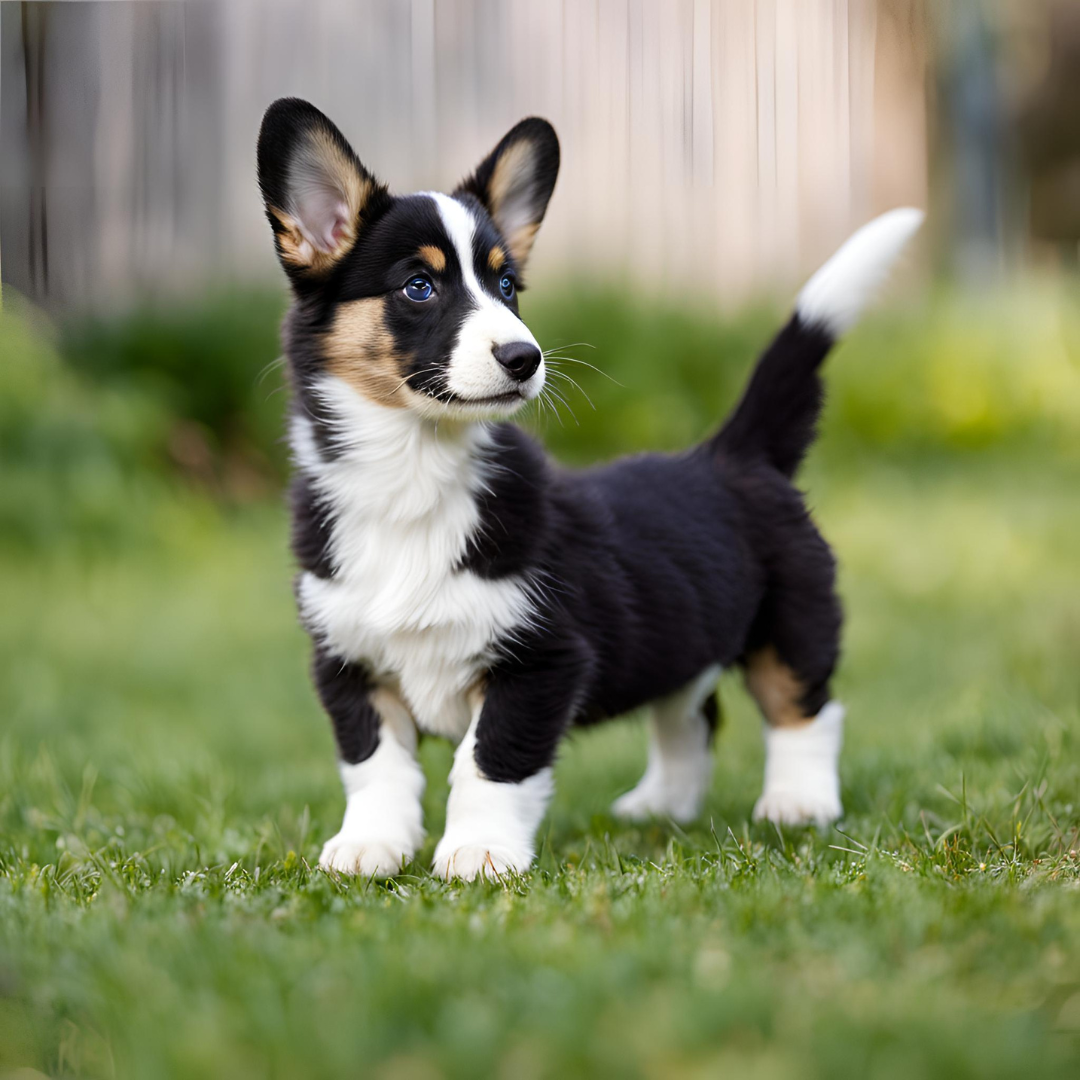
    To help your puppy understand what’s expected, use a simple cue like “Go potty” or “Toilet time” when you take them outside. Say the cue as they’re starting to relieve themselves—this helps them associate the words with the action. Once they finish, immediately reward them with enthusiastic praise and a small, tasty treat. Timing is everything here: reward them within 1–2 seconds of finishing. This positive reinforcement encourages them to repeat the behavior.

    Pro Tip: Be patient. If your puppy doesn’t go after a few minutes, bring them back inside but watch them closely. Take them out again in 10–15 minutes and try again.
    Step 3: Supervise Indoors to Prevent Accidents

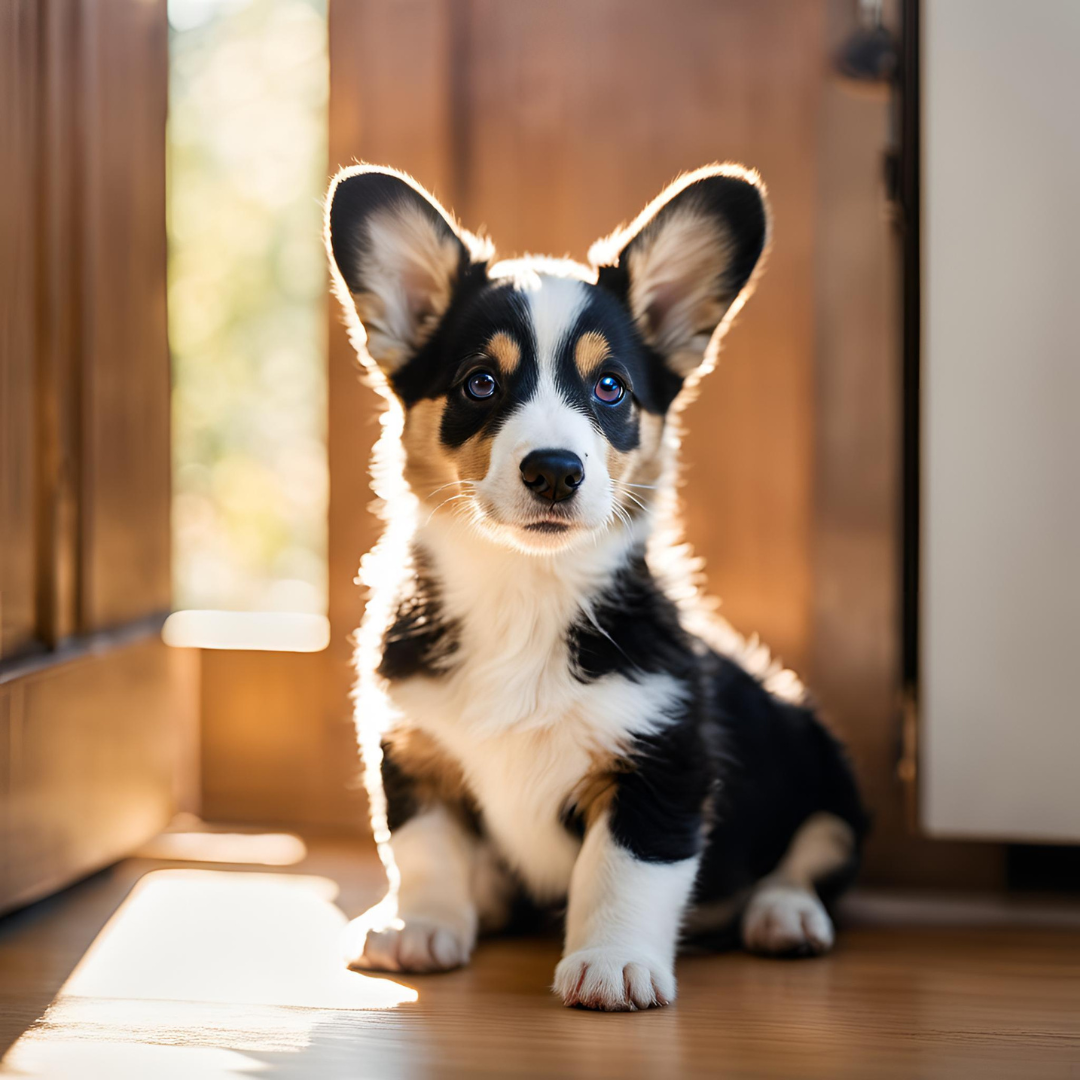
    Puppies don’t yet know how to “hold it,” and accidents can happen when we’re not paying attention. To prevent this:

  • Keep your puppy in sight at all times when they’re inside.
  • Watch for signs that they need to go—sniffing the ground, circling, whining, or pacing.
  • Use a crate or a playpen when you can’t supervise them. Dogs naturally avoid soiling their sleeping areas, so a crate helps build bladder control while keeping accidents to a minimum.

    If you catch your puppy in the act indoors, interrupt them gently with a clap or an “Oops!” and quickly take them outside. Never punish your puppy for accidents—this creates fear and confusion instead of learning. Clean up the mess thoroughly with an enzymatic cleaner to remove any lingering odors.
  • Step 4: Teach Your Puppy to “Ask” to Go Out

    Once your puppy starts to connect going outside with rewards, you can teach them to signal when they need a toilet break. Here are a few methods:
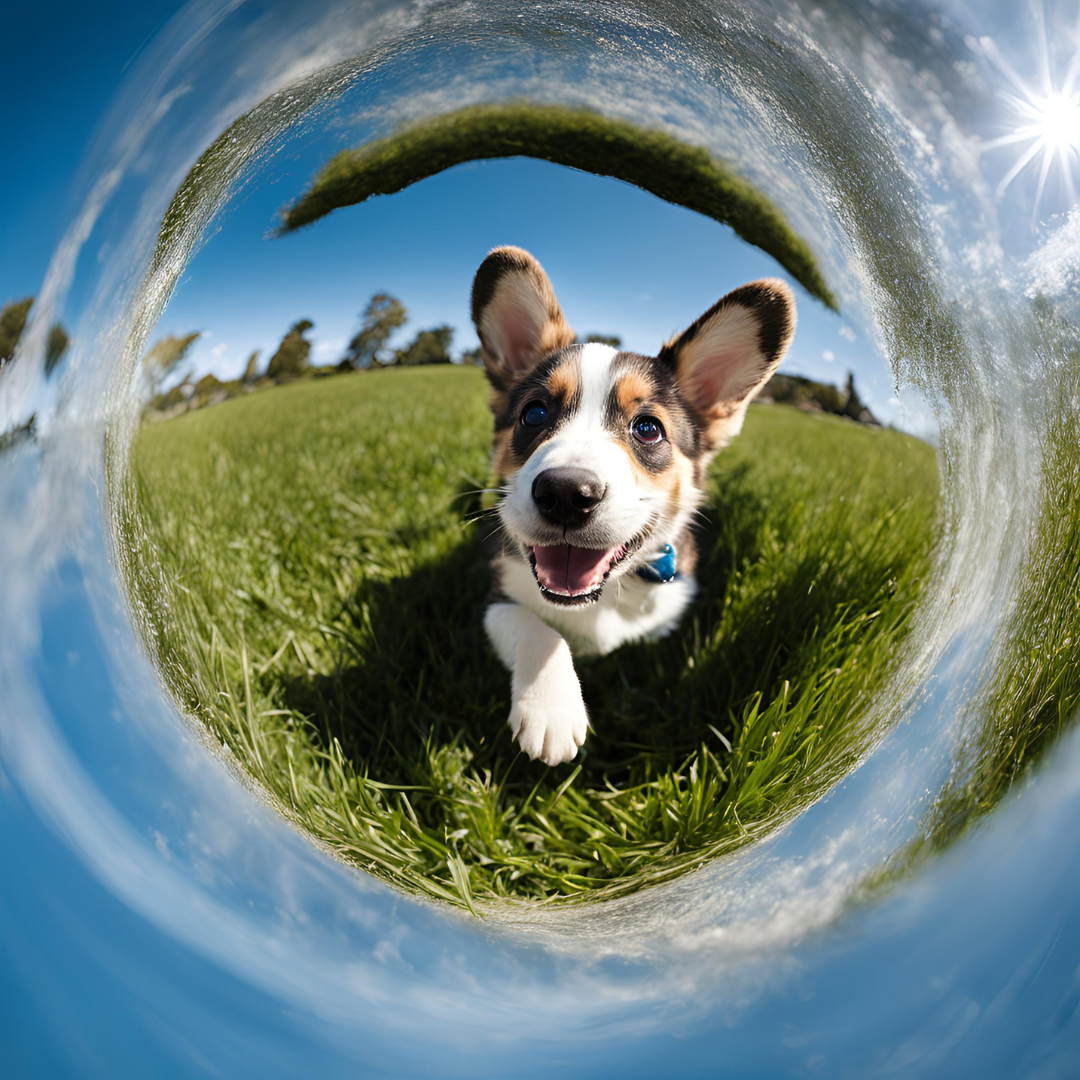
  • Bell Training: Hang a small bell on the door handle. Each time you take your puppy out, gently guide their paw or nose to ring the bell. Over time, they’ll associate ringing the bell with going outside. Reward them when they use the bell successfully.
  • Door Cue: Take your puppy to the door, point to it, and say a cue like “Outside?” before opening it. Eventually, they’ll learn to go to the door when they need to go.
  • Verbal Signals: Pay attention to your puppy’s natural behaviours (like whining or sitting by the door). Respond promptly and praise them for “asking” to go out.

  • Step 5: Be Patient and Celebrate Progress

    Toilet training takes time—some puppies learn in a few weeks, while others may take a couple of months. Celebrate the small wins, like a day with no accidents or your puppy successfully asking to go outside.

    Remember, every puppy is different, and setbacks are normal. If accidents happen, revisit your routine and adjust. The more patient and consistent you are, the faster your puppy will learn.

    Final Thoughts

    Toilet training doesn’t have to be stressful. With a structured routine, clear communication, and positive reinforcement, you’re setting your puppy up for success. Stick with the process, and before you know it, your little furry friend will confidently “ask” to go outside—and you’ll enjoy a cleaner, happier home together.

    Consistency is the key, and your patience will pay off in the long run. Happy training! 🐾

    Help?

    Read more posts or contact us with any questions

    🐕 The Daily Dawg 🐕 🐕 Contact Us 🐕