So You Think You Want a Corgi?
Welsh Corgis are intelligent, loyal, and excellent guard dogs with a unique vocal personality. Known for their constant alertness, they’ll communicate everything from huff-huffs to full barks, keeping watch over your home. If you’re ready for a talkative, protective companion, a Corgi might be the perfect fit.
A word from Dogs NSW

History Welsh Corgi (Pembroke) were first bred in Pembrokeshire in Southern Wales as cattle dogs, or ‘homestead’ dogs. The breed is a combination of the local herding dogs, much like the black and tan Lancashire Heelers, and the Spitz breeds, like Vallhunds, brought over by the Vikings who landed around the Pembrokeshire coast. The Cardigan Corgi was also originally bred to work closely with the farmers of Wales as a herder of cattle, guard dog and companion. These qualities mean that, even today, a typical Corgi likes to organise its family and is resilient and innovative. Appearance The Welsh Corgi (Pembroke and Cardigan) is a low-set dog with a body somewhat long in proportion to its short legs. It is sturdy, but athletic and active. The breed’s head has a foxy quality and appearance, with large upright ears and a bushy tail that should be carried high when the dog is excited or moving. The Cardigan has a short or medium-length coat which comes in an intriguingly wide range of colours including red, sable, brindle, black, blue merle and black and tan. Temperament The Cardigan Corgi is biddable, ready to please, as well as independent and resourceful. The breed is totally devoted to those it loves and can adjust to almost any lifestyle, be it herding livestock or living in a city apartment. Health The Welsh Corgi is a robust, generally healthy dog with an average life expectancy of 12-16 years, and often it is still very healthy and playful up until the end. There are no very common health issues, but the breed can have Hip Dysplasia and Von Willebrand Disease, a blood clotting disorder. Knowledgeable breeders have tests for these and screen breeding stock so that these conditions do not become more common. Maintenance The Cardigan Corgi’s short coat requires no stripping or trimming, but will benefit from a daily brush and an occasional bath. The breed is perfectly happy with a small yard, as long as the owner takes it on a brisk walk daily. Suitability The Corgi makes a great family pet and loves to join in all the family activities. Because it is highly intelligent and a herding dog, the breed is at its best when it is well trained. Its best feature is its huge personality – the breed is full of fun and excels as a watchdog, as it has a keen ear and a remarkable memory. Words: Robin Robertson and Jean Georgiou on behalf of the Welsh Corgi Club of NSW Image: Shutterstock.com In Conclusion Now you know a little about the Welsh Corgi (Cardigan) you may have think that this is the dog for you. Before you make a decision, please make contact with the breed club or your State controlling body for purebred dogs. They will be able to give you information about available puppies and also suggest dog shows where you can see the breed and speak to breeders. In this way you will gain a better perspective of the Welsh Corgi (Cardigan) and its needs and whether this breed would suit your lifestyle. https://www.dogsnsw.org.au/Breeds/browse-all-breeds/124/Welsh-Corgi-(Cardigan)/ Previous PostNext Post Help? Read more posts or contact us with any questions 🐕 The Daily Dawg 🐕 🐕 Contact Us 🐕
About the Cardigan Welsh Corgi
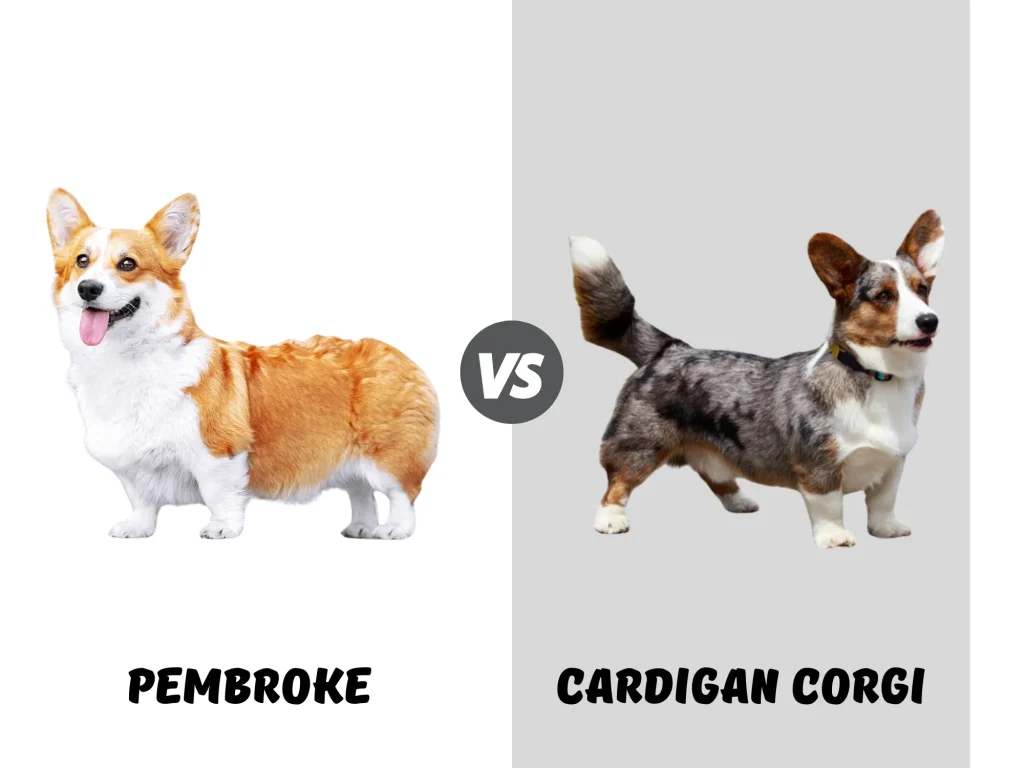
loyal / affectionate / smart About the Breed Cardigan and Pembroke Welsh Corgis are two adorable breeds with distinct differences, and while they may look similar at first glance, there are a few key traits that set them apart. When it comes to their origins, Cardigans are the older of the two breeds, with a history in Wales going back over a thousand years, where they were used as herding dogs. Pembrokes, though also herders, come from a different lineage, originating from spitz-type dogs brought to Wales by Flemish weavers. This spitz ancestry is evident in their pointed ears and fox-like faces and often a curly tail reaching back over their bodies. One of the most noticeable differences is their tails. In Australia, where tail docking is illegal, Pembrokes can have either a natural bobtail (short tail) or a full tail, unlike Cardigans, which always have a long, bushy tail. Additionally, their bodies are a bit different too. Cardigans are a little larger and have a more rounded, sturdy build, with slightly heavier bone structure. Pembrokes tend to be a bit smaller and lighter, giving them a more agile look. Their fur is another distinction. Both breeds have double coats (so expect shedding!), but Pembrokes usually have a shorter, finer coat, while Cardigans often have thicker, denser fur, especially around their chest and neck. In terms of personality, both breeds are smart, affectionate, and loyal. Cardigans are typically more independent and can be reserved with strangers, but they bond closely with their families. Pembrokes, on the other hand, are usually more outgoing and social, often described as playful and people-oriented. They’re sometimes called “velcro dogs” because they love sticking close to their humans. Pembrokes share a royal connection—most famously, they’ve been favoured by the British royal family, especially Queen Elizabeth II. Both Cardigan and Pembroke Welsh Corgis have beautiful, varied coat colors, but the options are a bit different between the two breeds. Coat Colours Cardigan Welsh Corgis Cardigans are known for their broader range of coat colours. Their coats can come in several combinations, including: Brindle: A mix of darker stripes on a lighter base coat, often resembling a tiger stripe pattern. Blue Merle: A striking mix of black, grey, and sometimes white or tan, with a marbled or mottled appearance. Blue merles can also have blue eyes or one blue and one brown eye. Black and White: Classic black coat with white markings, often around the chest, muzzle, and legs. Red and White: A reddish or brownish coat with white markings, giving them a more fox-like appearance. Sable and White: A mix of reddish-brown tones with black-tipped hairs, combined with white markings. Tri-colour: Black with tan or brindle points and white markings. This is a common colour combination in Cardigans. Cardigans tend to have a more diverse colour palette, and their markings can be quite unique from one dog to another. Pembroke Welsh Corgis Pembrokes, while also having beautiful coats, have a more limited range of colours compared to Cardigans. The standard colours for Pembrokes are: Red and White: This is the most common colour, with various shades of red or fawn, and white markings often around the chest, muzzle, and legs. This gives them that classic Corgi look. Sable and White: Similar to Cardigans, Pembrokes can have sable coats, where the reddish-brown fur is interspersed with black-tipped hairs, creating a shaded effect. Fawn and White: A lighter, soft tan or fawn colour paired with white markings. Tri-color: Black with tan points and white markings, though less common in Pembrokes than in Cardigans. Unlike Cardigans, Pembrokes do not come in brindle or merle. Any Pembroke with a merle colouring is a cross-breed and not a pure-breed dog. Their colour variations tend to be more limited. Overall, Cardigans have a wider range of colours and patterns, while Pembrokes stick to more traditional red, sable, fawn, and tri-color variations. Both breeds’ coats are double-layered, so they require regular grooming to manage shedding and keep them looking their best. So, while both breeds are full of character and energy, Cardigans are a little more rugged and reserved, and Pembrokes are known for their friendly, playful nature. No matter which you choose, both are lovable companions! Previous PostNext Post Help? Read more posts or contact us with any questions 🐕 The Daily Dawg 🐕 🐕 Contact Us 🐕