
Helping Your Cardigan Enjoy Table Stacking

Table stacking becomes easier when your Cardigan feels balanced, supported, and in control. With slow, steady handling, even beginners can help their dogs relax, stand proudly, and enjoy the show experience.
2024 Campaign

A fun video of Iago’s 2024 confirmation show campaign With some very nice class wins, Iago has finished this year’s campaign season as the number two Welsh Cardigan Corgi in NSW and number seventeen in all of Australia! https://jenindacorgis.com/wp-content/uploads/2024/12/2024-Campaign.mp4 Previous Post Help? Read more posts or contact us with any questions 🐕 The Daily Dawg 🐕 🐕 Contact Us 🐕
A Guide to Pedigree Papers
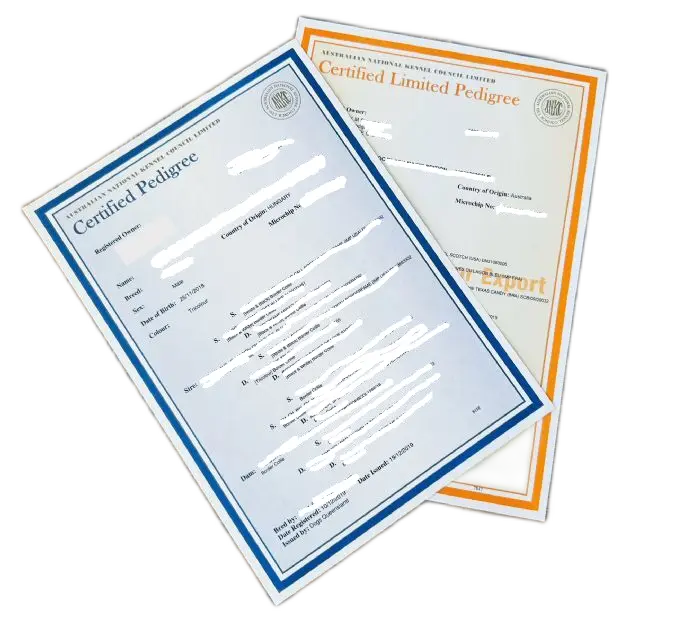
Introduction Pedigree papers play a crucial role in determining a dog’s breed, health history, and overall quality. For breeders, it’s a way to make well-researched and well-informed matings for new litters and puppies. For pet owners, pedigree papers ensure the dog’s heritage, provides health assurances, and that your dog is coming from a reputable Dogs Australia or Dogs New Zealand Breeder. What Are Pedigree Papers? Basically, think of them as the birth certificate of your purebred dog, they are essential documents that verify a dog’s ancestry and authenticity as a purebred dog. They are official documents that show parentage in the form of a family tree; and detail the credentials and show & sporting title achievements of those listed dogs. They include the prefix (kennel name) of the parents, grandparents, and great grandparents, which identifies who bred those dogs, and together this historical information paints a most wonderful picture of the puppy at your feet; truly living history! Pedigree papers are issued by internationally recognised canine registries, the only one of which in Australia is Dogs Australia (formerly known as ANKC). There are two types of pedigree paper registration; Main & Limited. MAIN registration (Blue Pedigree papers) is the type that is required by Dogs Australia to breed with, and compete in Conformation shows. The other is LIMITED registration (Orange Pedigree Papers) which means that the dog cannot be bred, compete in conformation shows, or be exported out of Australia. Importance of Pedigree Papers for Breeders and Pet Owners Pedigree papers are crucial for both breeders and pet owners as they verify a dog’s lineage, ensuring breed purity and authenticity. For breeders, these documents help maintain breed standards, enhance credibility, and facilitate genetic health screening. Pet owners benefit by understanding their dog’s ancestry, potential health risks, and gaining eligibility for dog shows and competitions should they choose to. Overall, pedigree papers provide transparency and assurance, promoting responsible breeding and ownership practices. Pedigree papers will include: Name of the registered owner of the puppy The pedigree name of the puppy The Dogs Australia registration number of the puppy The breed of the puppy Gender Date of birth Colour and coat type The country of origin (what country the puppy was bred) Microchip number of the puppy Name of the breeder Registration date of the litter The Dogs Australia state body member that issued the pedigree papers The date the pedigree papers were issued How to Get Pedigree Papers for Your Dog in Australia Step-by-Step Guide Registration with Recognised Canine Registries: The breeder will register their litter with their state member body of Dogs Australia. This is the process that will trigger papers being issued for each puppy. The timeframe for registration differs slightly from state to state but litters generally must be registered by the breeder by 12 months of age. Required Documentation: With the above, in order to register their litters, breeders must provide an official Application which includes their own breeder details, whelping (birth) date, and specifies the parents (sire and dam) plus their Dogs Australia registration numbers. Also required are details of each puppy by sex, colour, and microchip number, as well as requests for their own preferred registration names. If the sire of the litter is not owned by the breeder, an accompanying stud certificate must be signed by the owner of the sire – who must also be a financial member of Dogs Australia. Fees and Costs: Breeders pay a litter registration fee per puppy as well as processing fees. Reading and Understanding Pedigree Papers Dogs Australia Pedigree certificates list ancestors up to three generations back and include information about the dog’s parents, grandparents, great-grandparents, their colour and their registration numbers…this information can then be used to look even further back. Not all dogs are show or sports titled, but certificates will list the title achievements of the dogs if they are. Dogs in the pedigree that have been bred abroad will also show as imported, and can be identified by the “(Imp)” appearing at the end of their name; for example (Imp UK). Some key terms and symbols you might find in pedigree papers often include indicators of various achievements and health clearances. For example: “Ch” (Champion): This term signifies that the dog is a conformation (show) championship. “Gr Ch” (Grand Champion) & “Sup Ch” (Supreme Champion): Indicates higher conformation show titles. Titles and Awards: Other titles like “CD” (Companion Dog) or “UD” (Utility Dog) indicate achievements in obedience or other dog sports. Online Access to Dog Pedigree Papers and Information By becoming a member of an affiliated Dogs Australia state body, you can review pedigrees via the body’s member portal. This is a convenient way to access detailed information about a dog’s lineage without needing physical documents. Several websites offer online pedigree databases where you can search for and verify a dog’s pedigree, including Dogz Online. Breeders will often list their Dog Profiles on their accounts, providing pedigree information of all the dogs in their program. Getting Pedigree Papers in Australian States and Internationally Australia In Australia, it is up to your breeder to register every litter with their affiliated Dogs Australia State member body, to obtain pedigree papers for each puppy and the breeders are required to supply you with the papers. Due to the administrative nature of this process, it can sometimes take a few weeks after the breeder registers the litter to receive the pedigree papers to pass on to you. The recognised bodies in Australia are as follows: Dogs ACT Dogs NSW Dogs NT Dogs Queensland Dogs SA Dogs Tasmania Dogs Victoria Dogs West What to Do If You Lose Your Dog’s Pedigree Papers Steps to Take If you lose your dog’s pedigree papers, the first step is to contact the registry that issued the original documents. This could be a national or state-recognised canine registry, such as Dogs Australia or a state body like Dogs NSW or Dogs QLD. Inform them about the loss and request guidance on the replacement process. You can